Commerce subjects
Subject tracks from Class 11 onward
Accountancy, Economics, Business Studies, and Applied Mathematics, organized by grade level so students can see what each year covers.
Courses and subjects
Four subjects, one structured path
Each subject is taught in sequence, with the grade-level focus made explicit.
Class 11 and 12
Accountancy
Journal entries, ledgers, and financial statements, built up topic by topic with worked board-style examples.
Class 11 and 12
Economics
Micro and macro concepts explained through graphs, definitions, and applied case questions drawn from the syllabus.
Class 11 and 12
Business Studies and Applied Mathematics
Management principles and marketing concepts alongside the numerical methods that support statistics and commerce calculations.
Teaching methods
How each lecture is run

Lecture pacing
Paced concept by concept
Each session moves through one clear concept at a time, pausing for questions before the next topic begins.
Doubt resolution
Doubts settled in class
Students bring questions during and after each lecture, and the teacher works through them on the board until the logic is clear.


Problem dissection
Problems broken into steps
Numerical questions are dissected step by step, showing where each figure comes from and how the answer is reached.
Study materials
Printed notes that stay with each topic
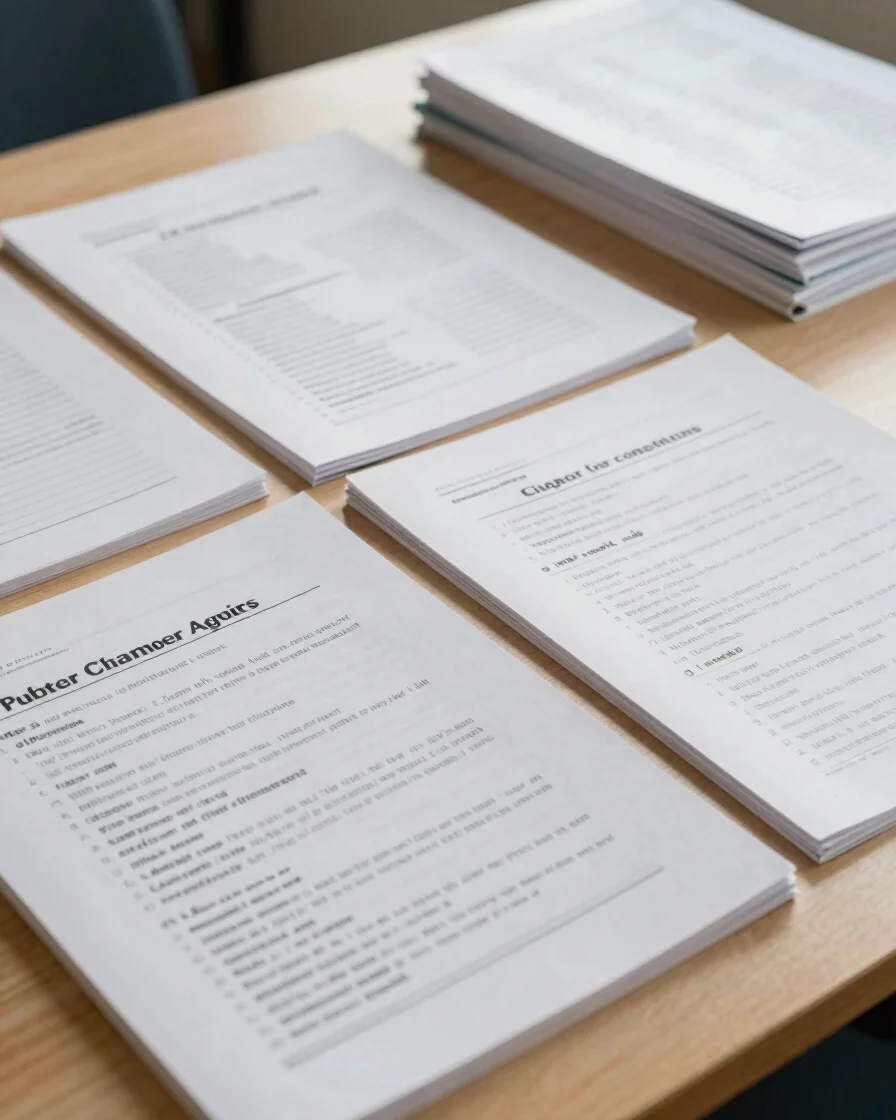
Curated printed notes, chapter summaries, and revision question sets accompany each topic, so students have material to keep working with after class.
Physical course workbooks, topic-wise question banks, and reference guides are organized to match the lecture sequence.